

AI will change how we work.
I've been watching AI unfold. When ChatGPT launched in late 2022, the excitement was off the charts. Everyone thought we were on the cusp of something huge.
I saw my friends, peers, colleagues try these new AI tools, get excited, and then... they stopped using them.
Some people got suspicious about AI's real value. Others flat-out rejected it, worried about job losses or privacy invasions.
This isn't new. We've seen this pattern before with other big tech breakthroughs:
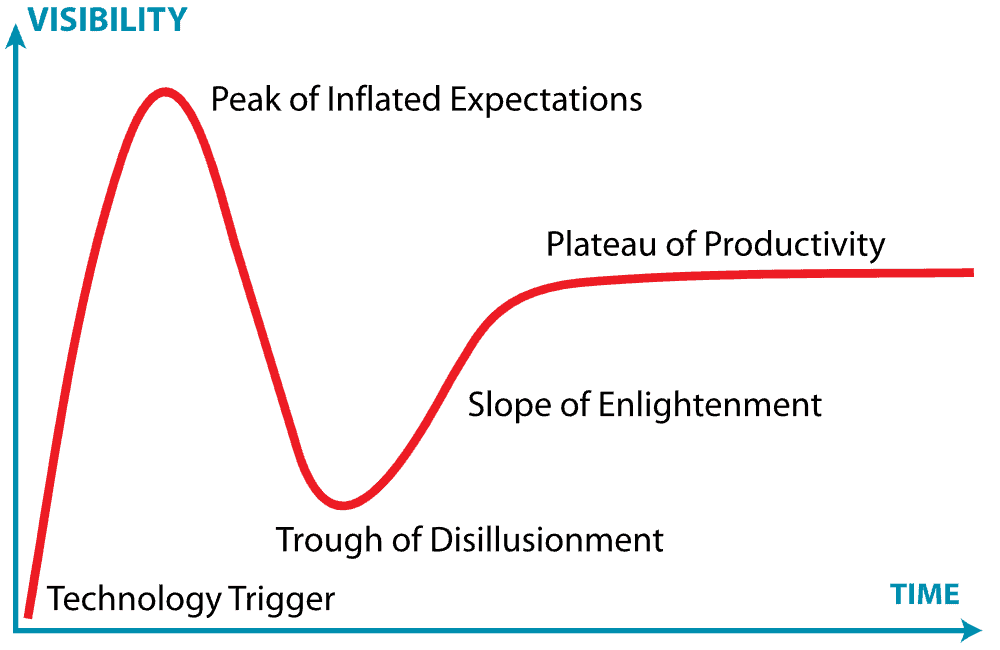
Remember when we all thought mobile phones would give us cancer? AI's no different. It's got massive potential to make our lives better, but there's a real risk of leaving people behind.
On the upside, it can boost productivity across industries and personalise education and healthcare.
It will speed up some scientific research and, make creative tools more accessible to everyone.
And the flip side:
AI will widen the gap between tech-savvy people and others.
Just like with the introduction of electricity, the automobile, the internet, social media, some jobs WILL disappear.
How many blacksmiths or wheelwright do you know personally?
There are genuine ethical concerns about AI making decisions. It can and is being used to spread misinformation.
Many people don't get how AI works or what it can do. This leads to fear and misuse.
There's a lack of clear rules for AI development and use.
We're not sure how to make AI benefits available to everyone.
You need to understand AI to use it well. We should push for more AI education programmes.
Try out AI tools. See what they can do. Don't just accept everything at face value. Question, test, and think critically about the results.
We need to hold AI developers accountable. Ask questions about how AI systems make decisions. Push for transparency and fairness. Join discussions about AI's role in society.
Support initiatives that make AI technologies accessible to diverse groups. We need to make sure AI benefits everyone. This might mean advocating for policies that promote digital inclusion or supporting organisations that bring AI education to underserved communities.
AI is not going away. It's got the potential to solve big problems and make our lives easier. But it also comes with risks.
We need to approach AI with both enthusiasm and caution. You have a part to play in this. Stay informed. Ask questions. Get involved.